森村玲 Ray Morimura (1948-Present)
Pattern, Place, & the Spiritual: The Prints of Ray Morimura
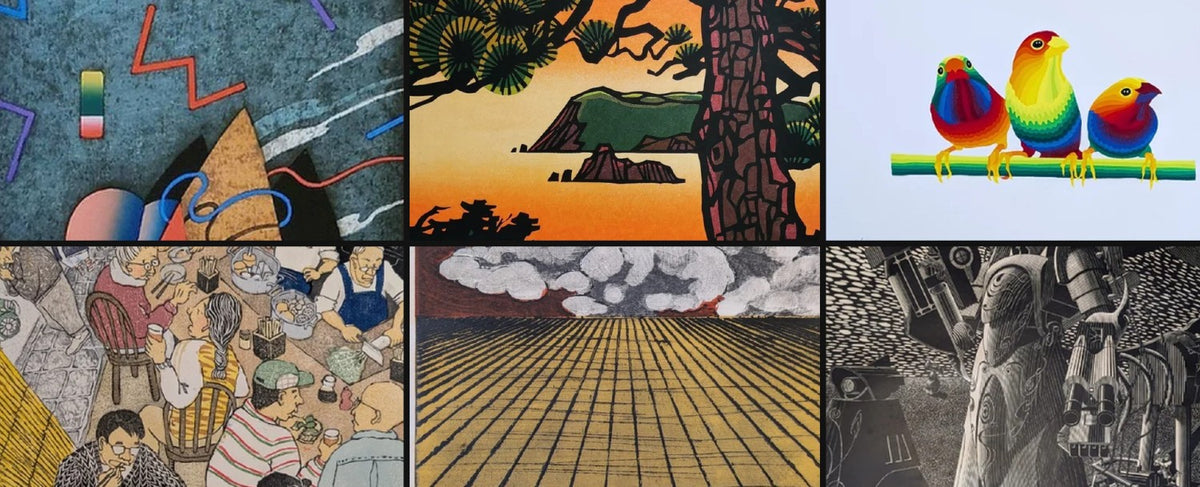
Born in Tokyo in 1948, Ray Morimura studied oil painting at Tokyo Gakugei University, initially producing geometric abstract works. He later moved into children’s-book illustration and graphic design before turning to relief printmaking, inspired by the work of Shigeru Hatsuyama (初山滋, 1897-1973) and Sumio Kawakami (川上澄生, 1895-1972). These different strands remain closely connected in his art: the structure of abstraction, the clarity of illustration, and the strong graphical eye of a designer.
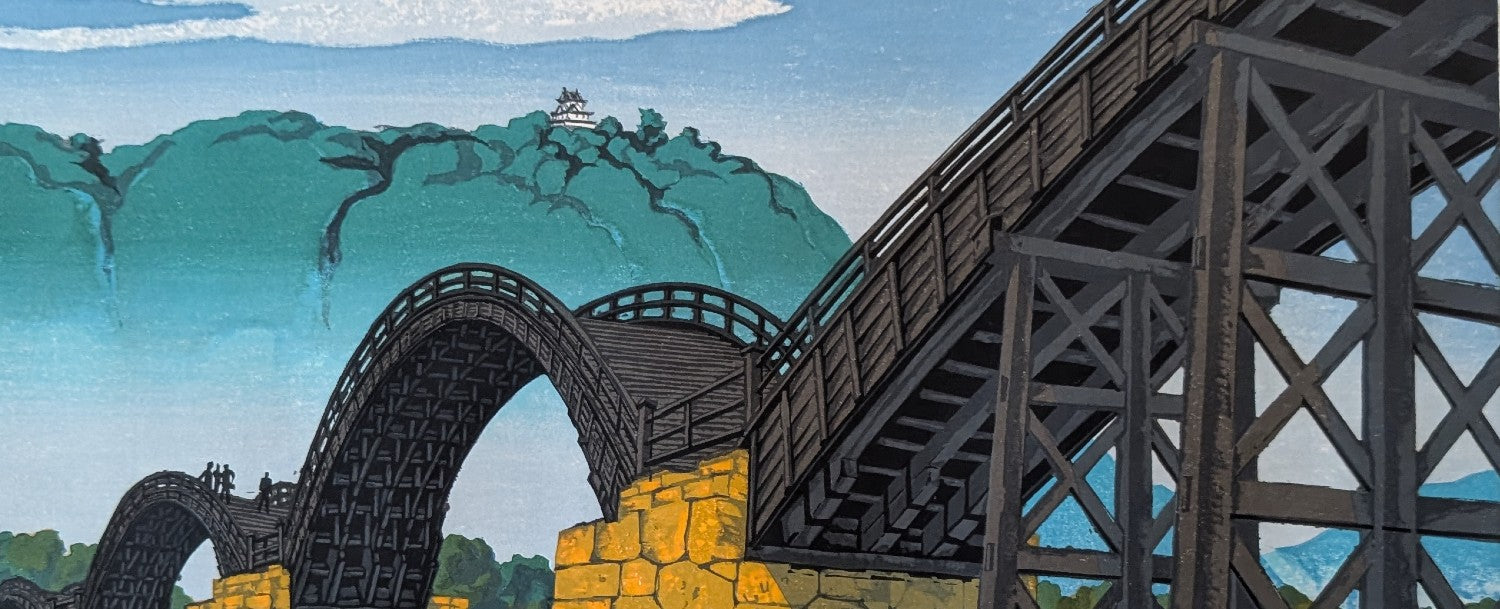
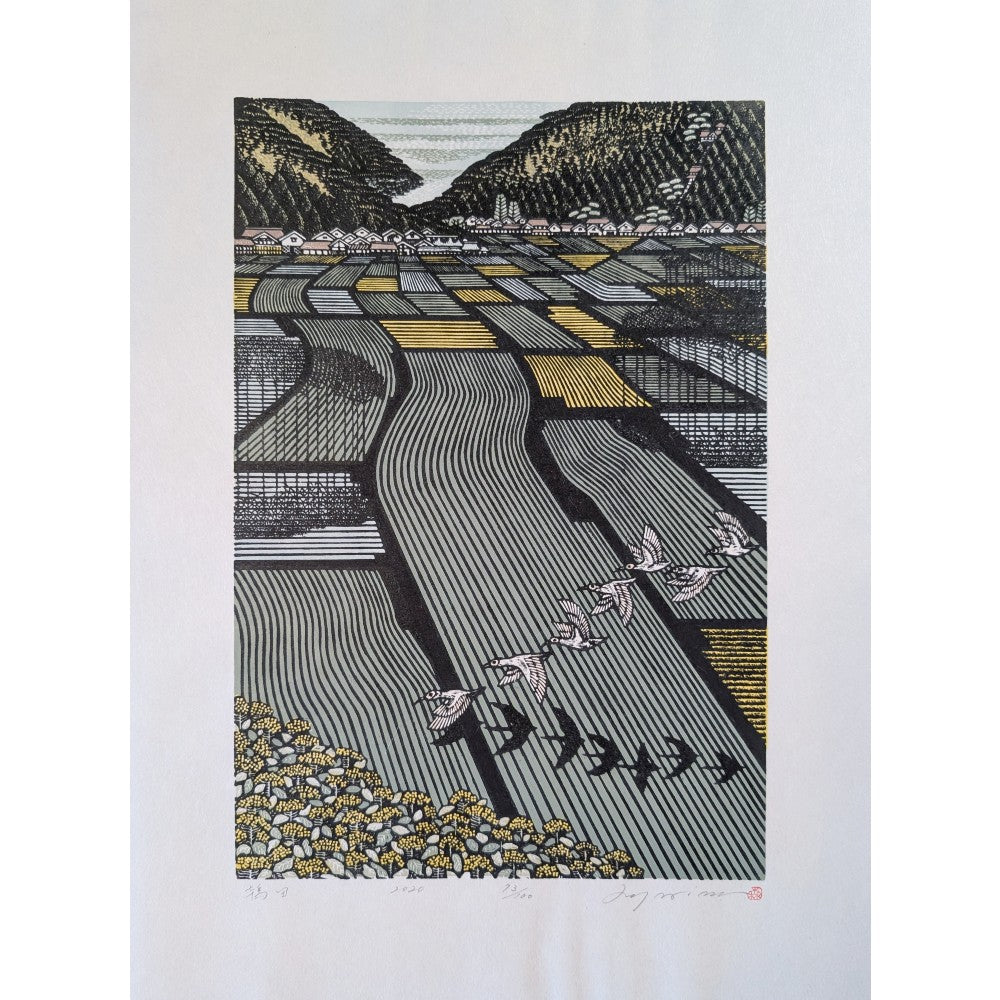
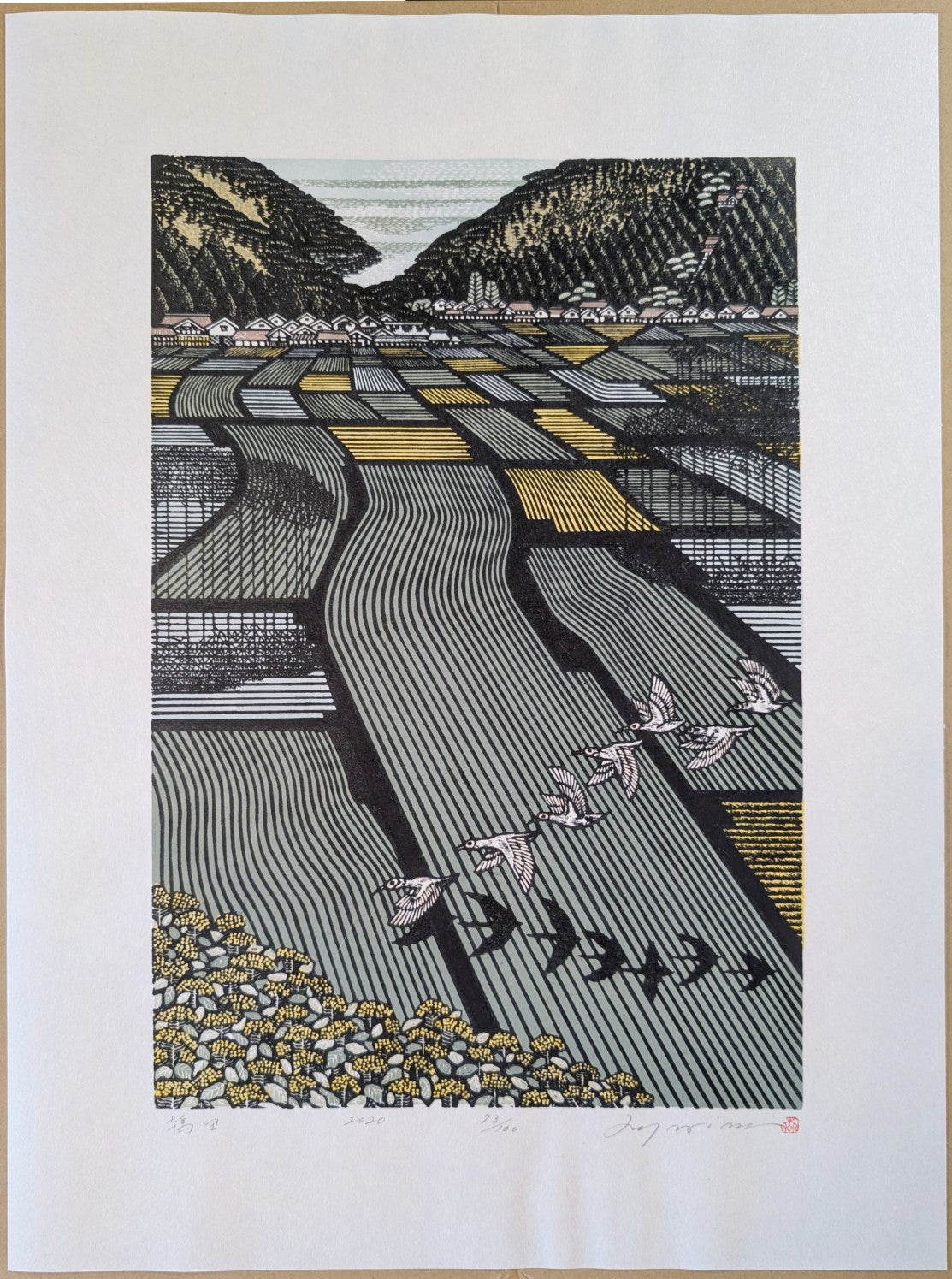
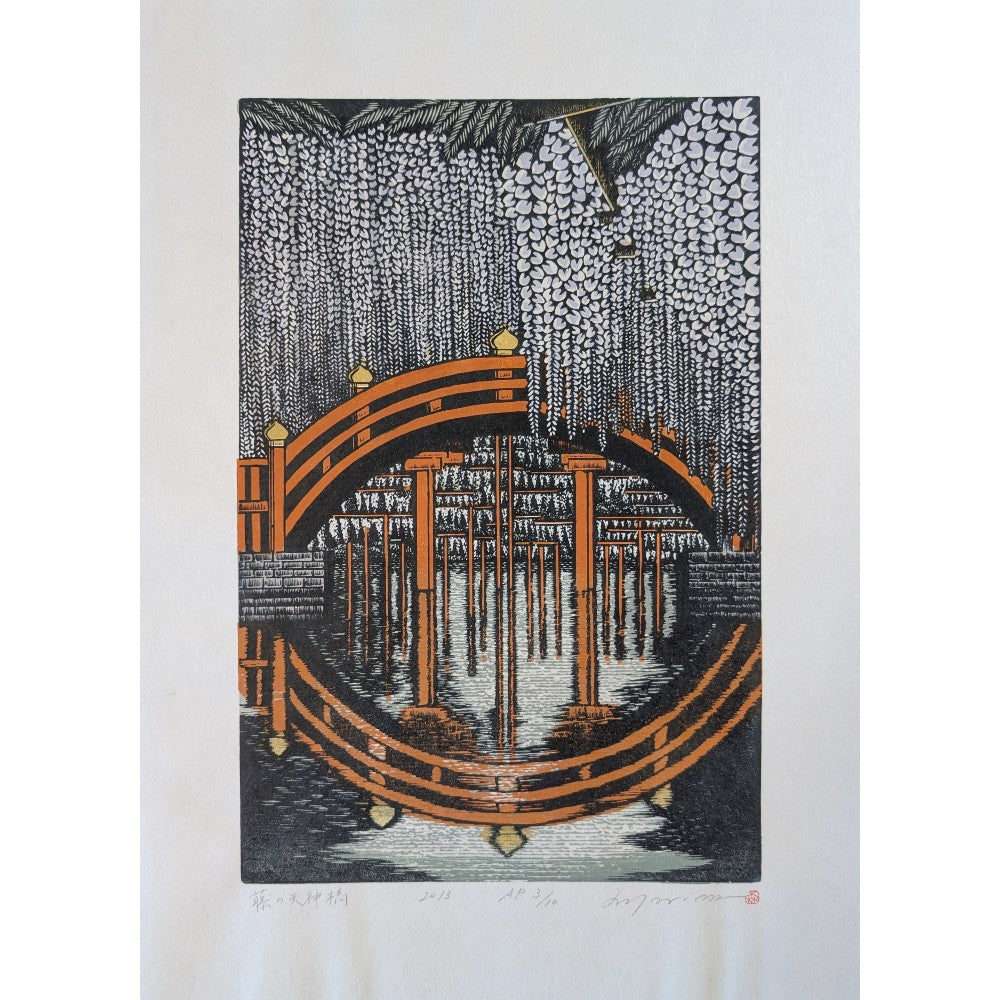
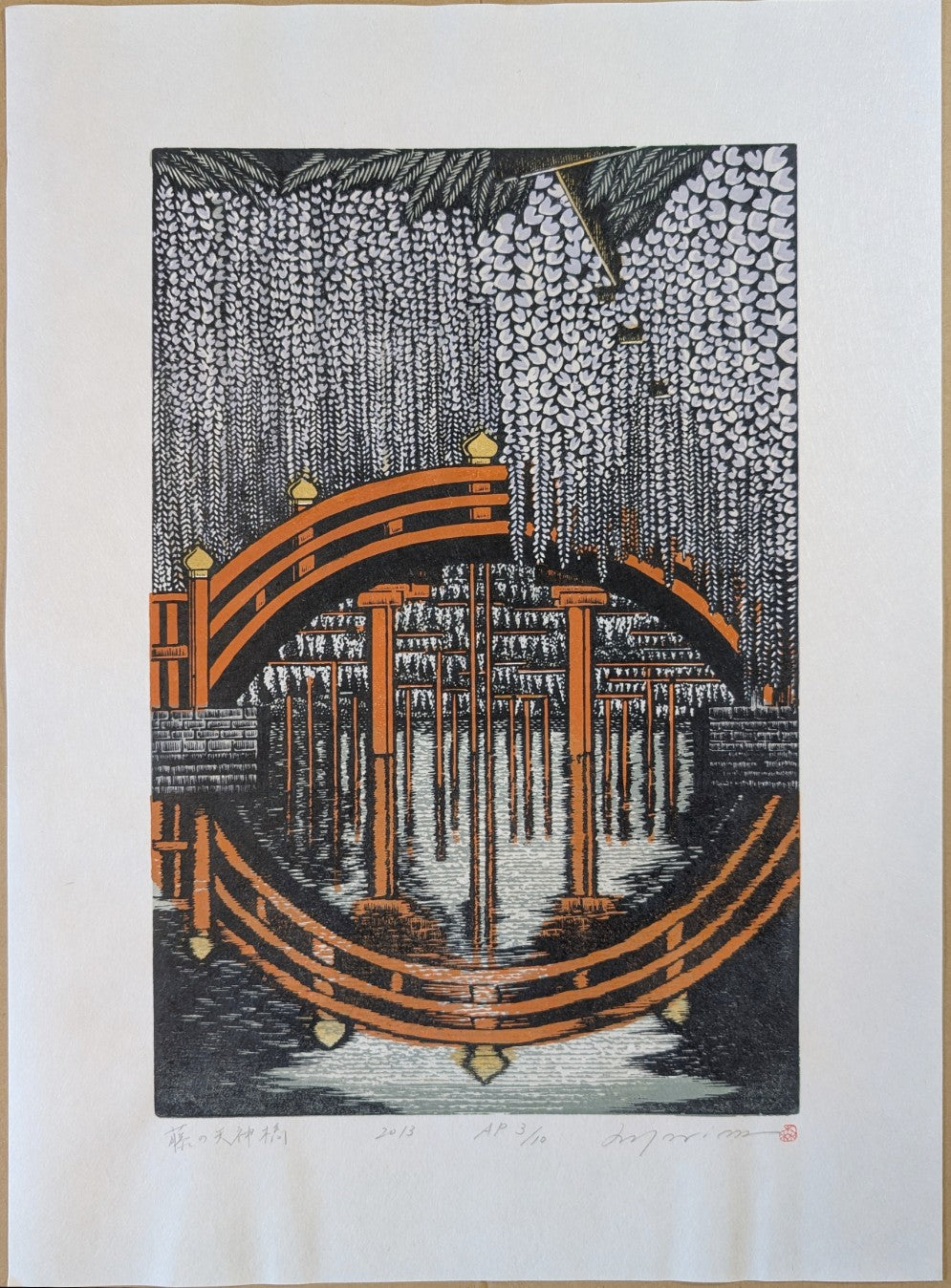
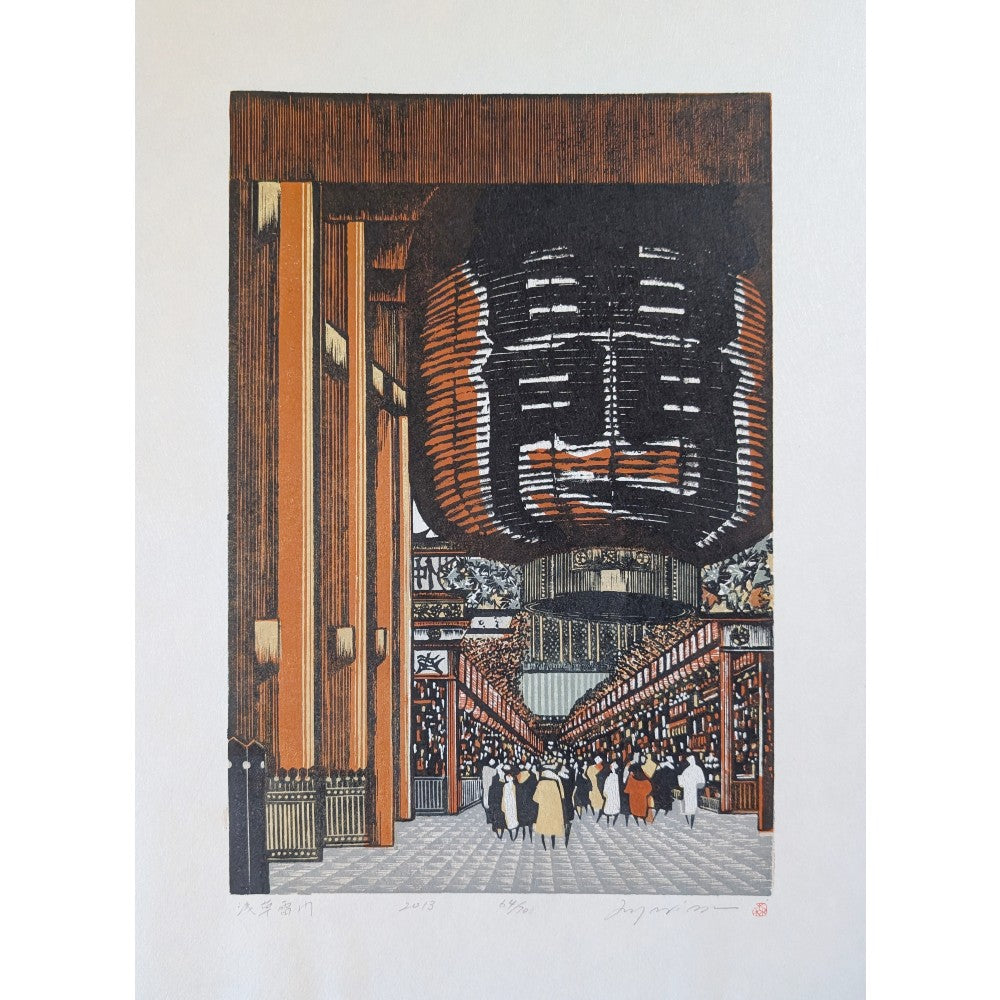
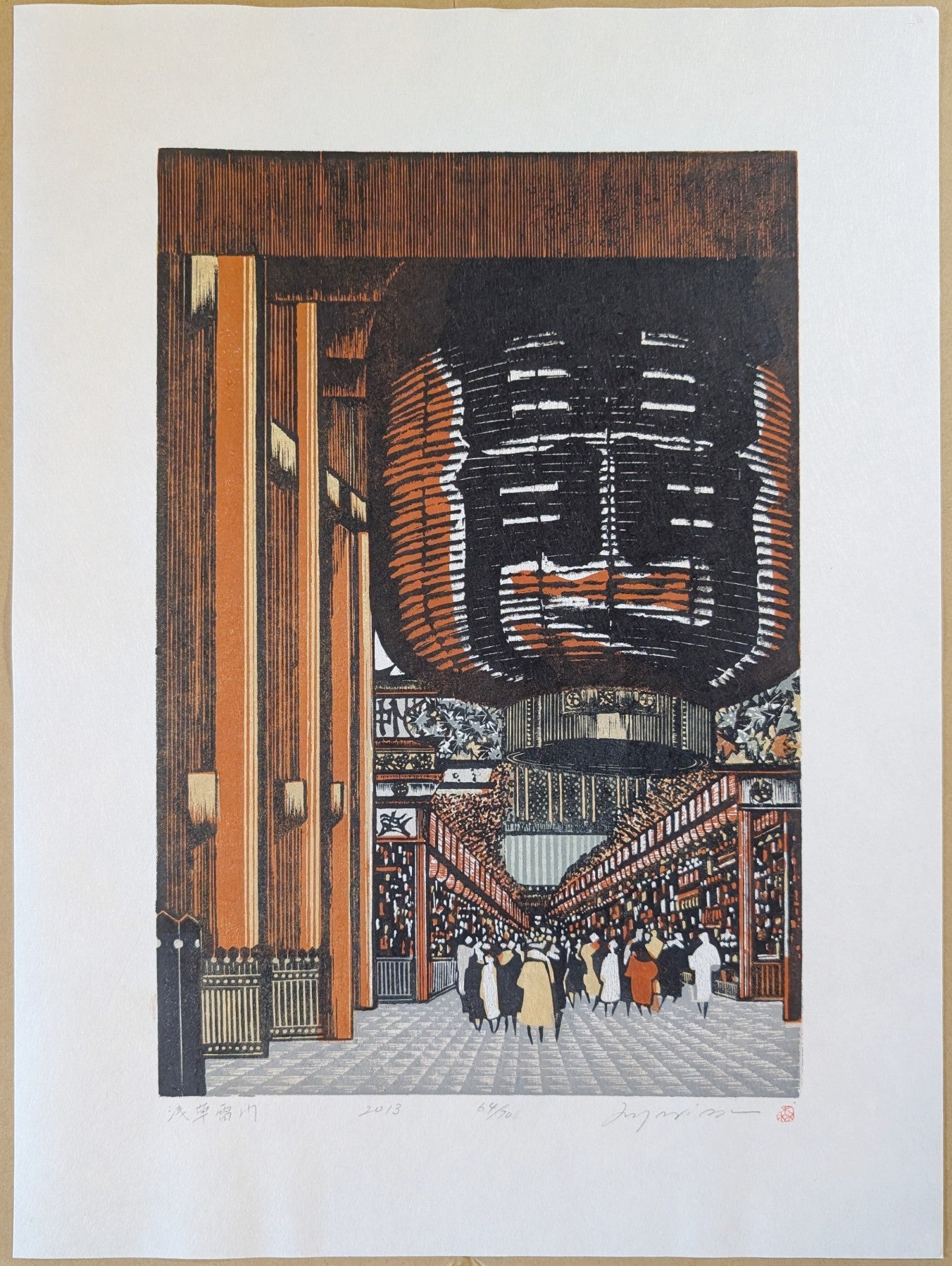
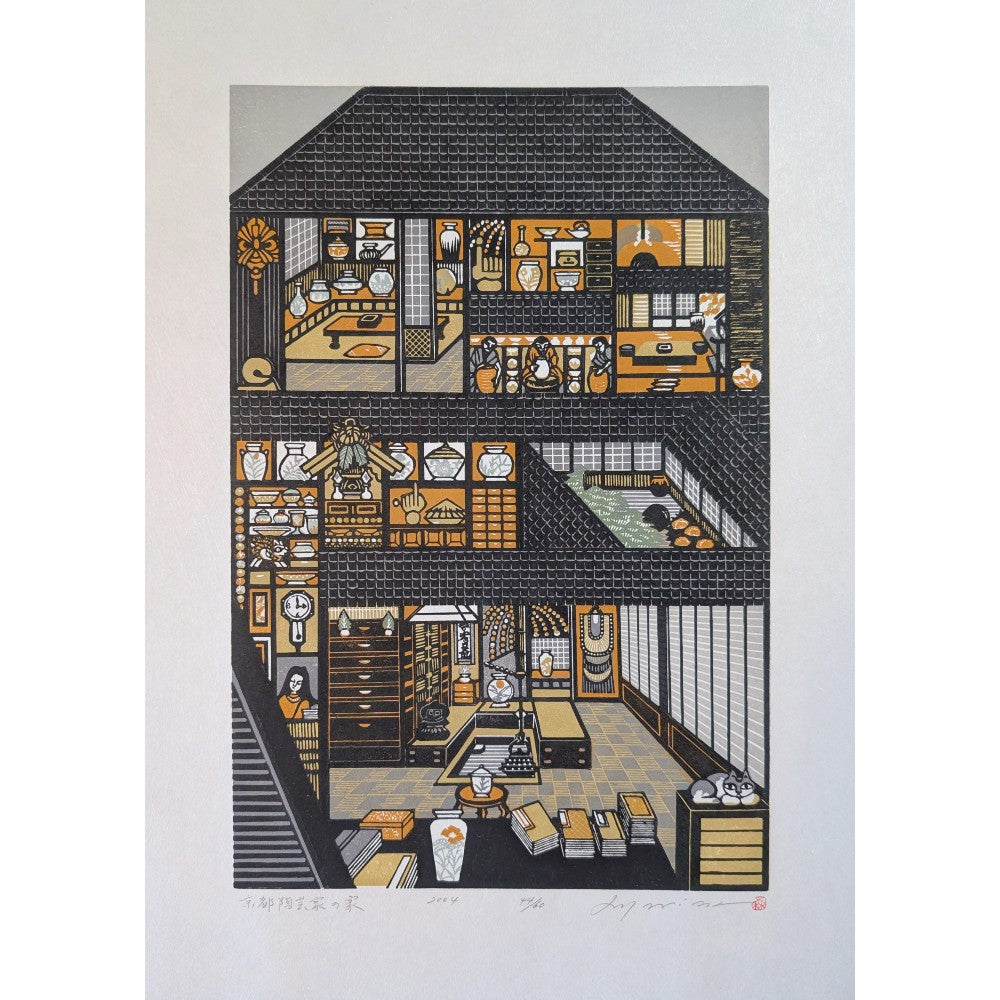
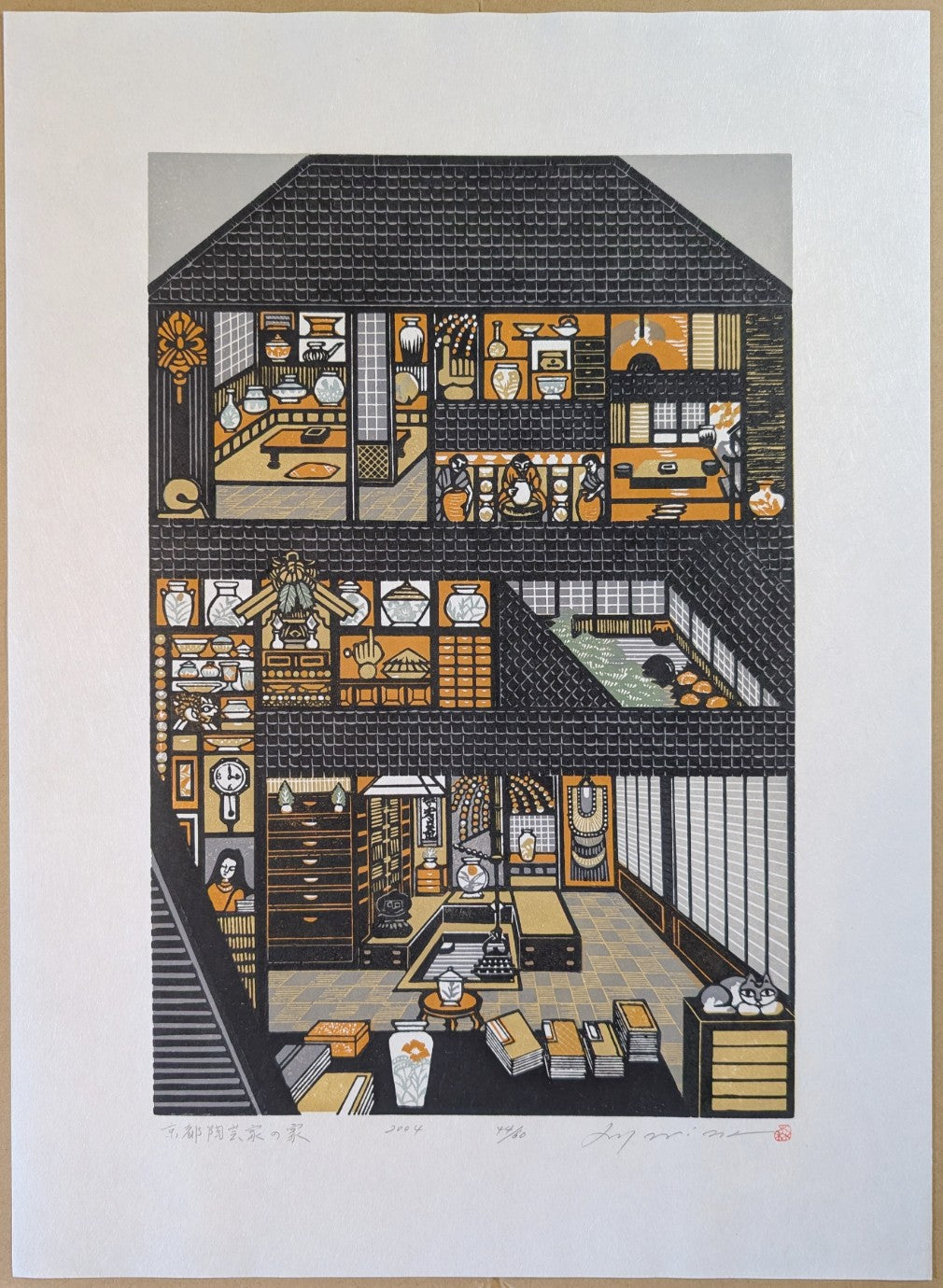
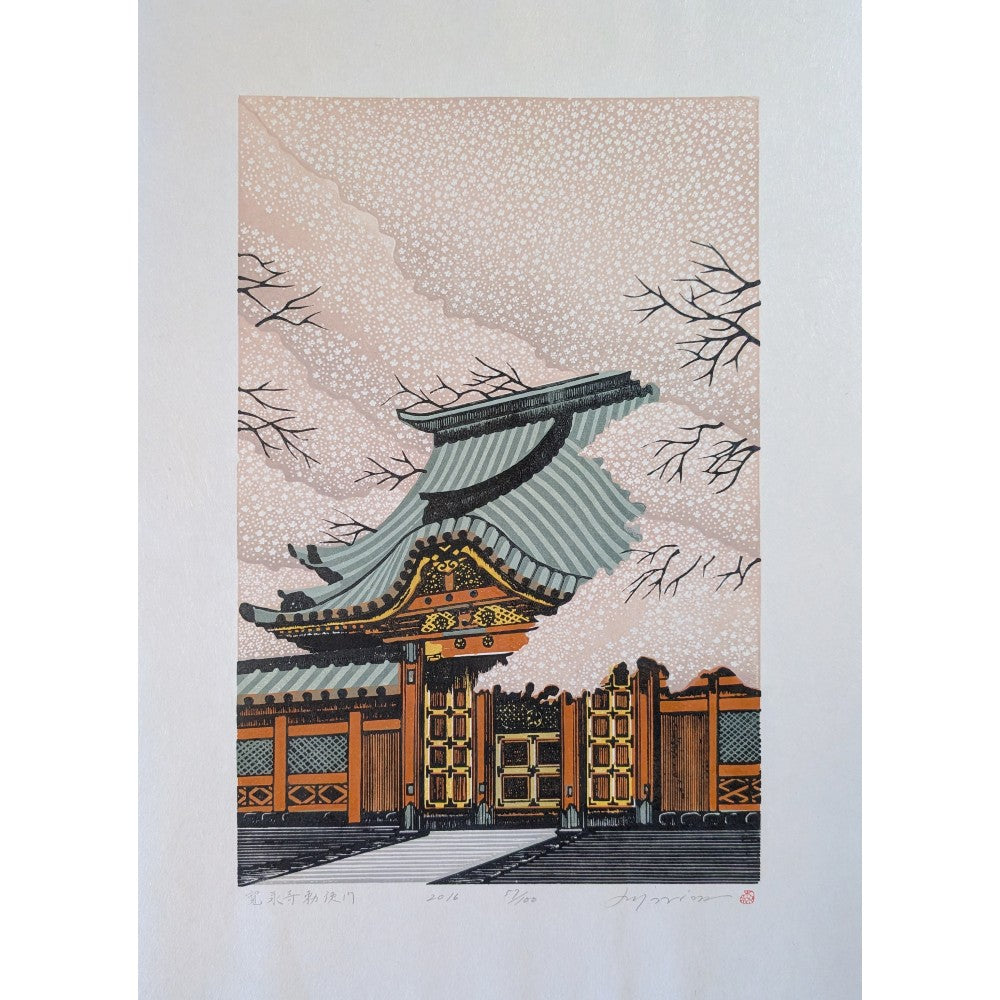
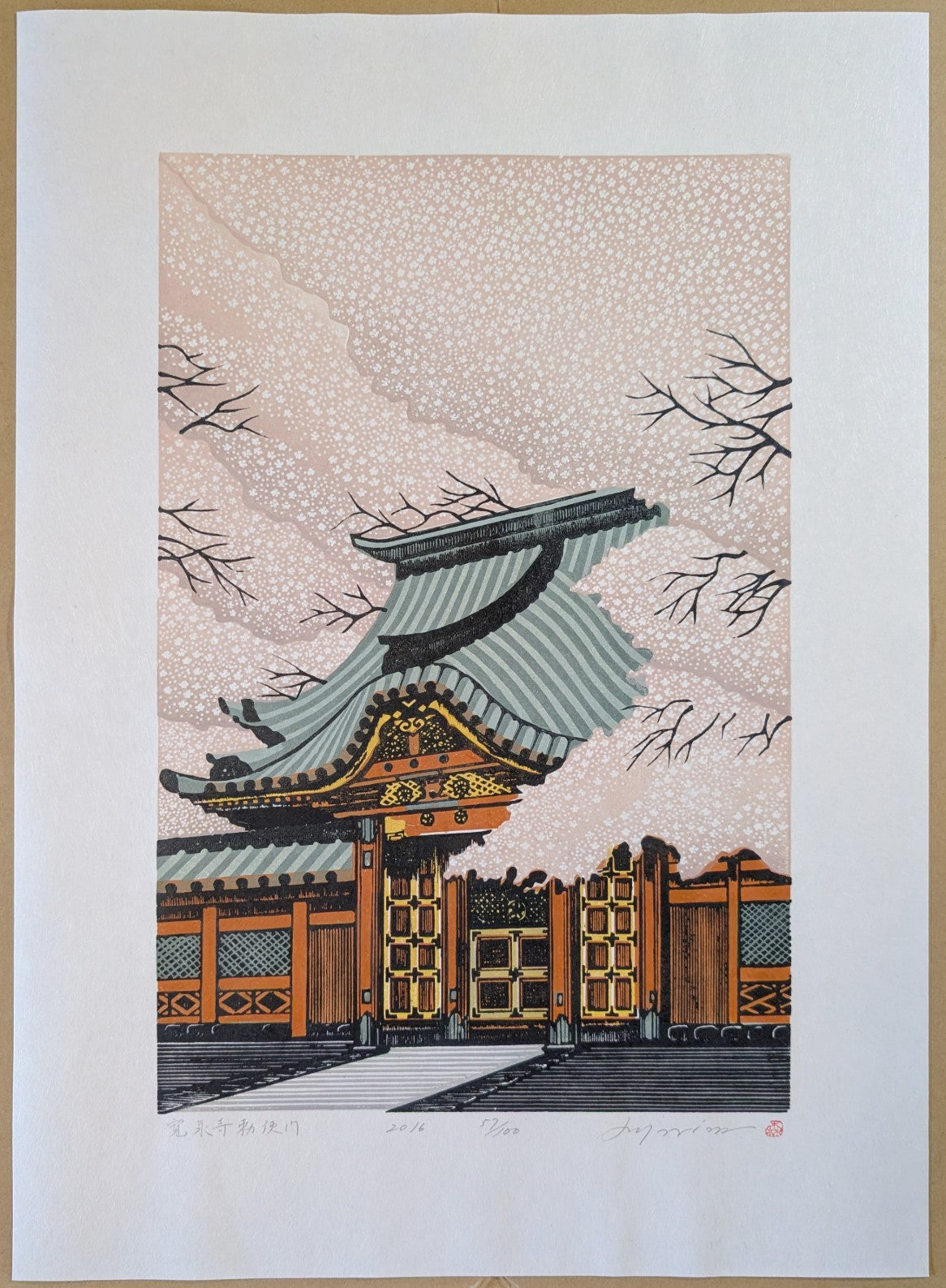
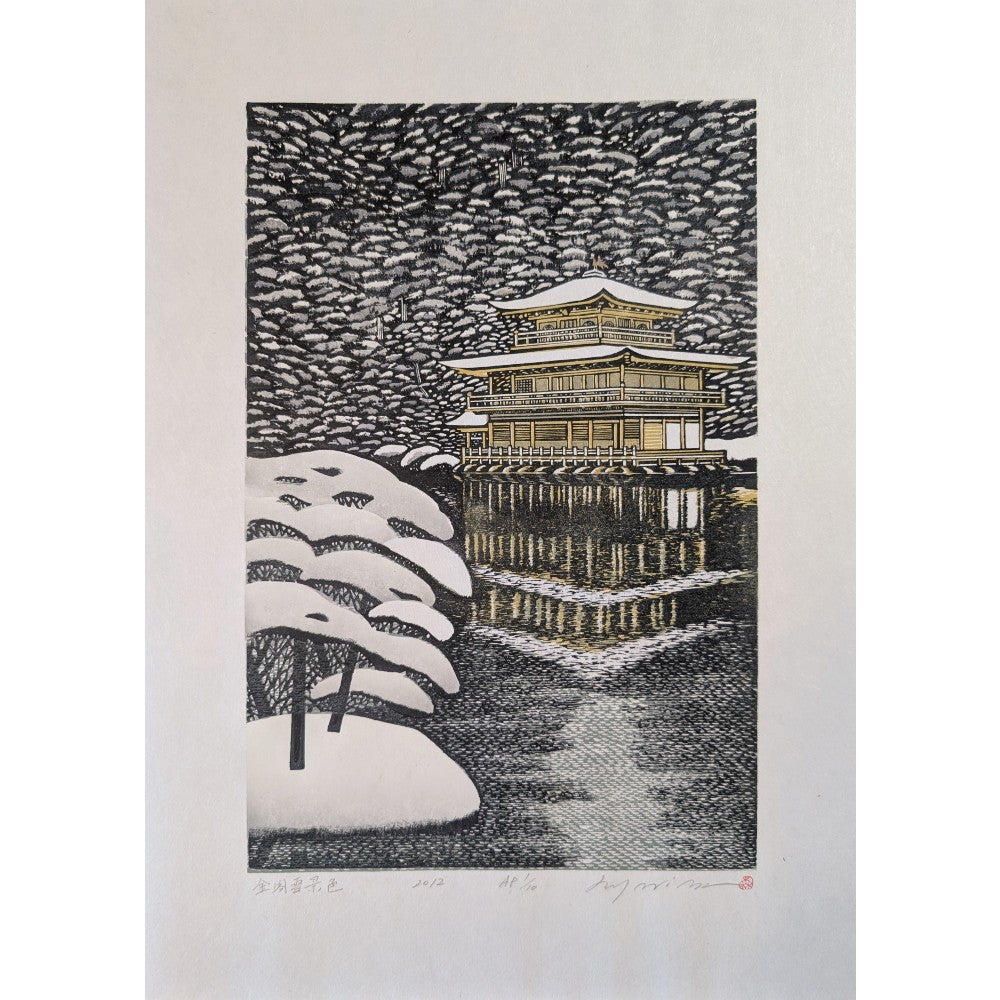
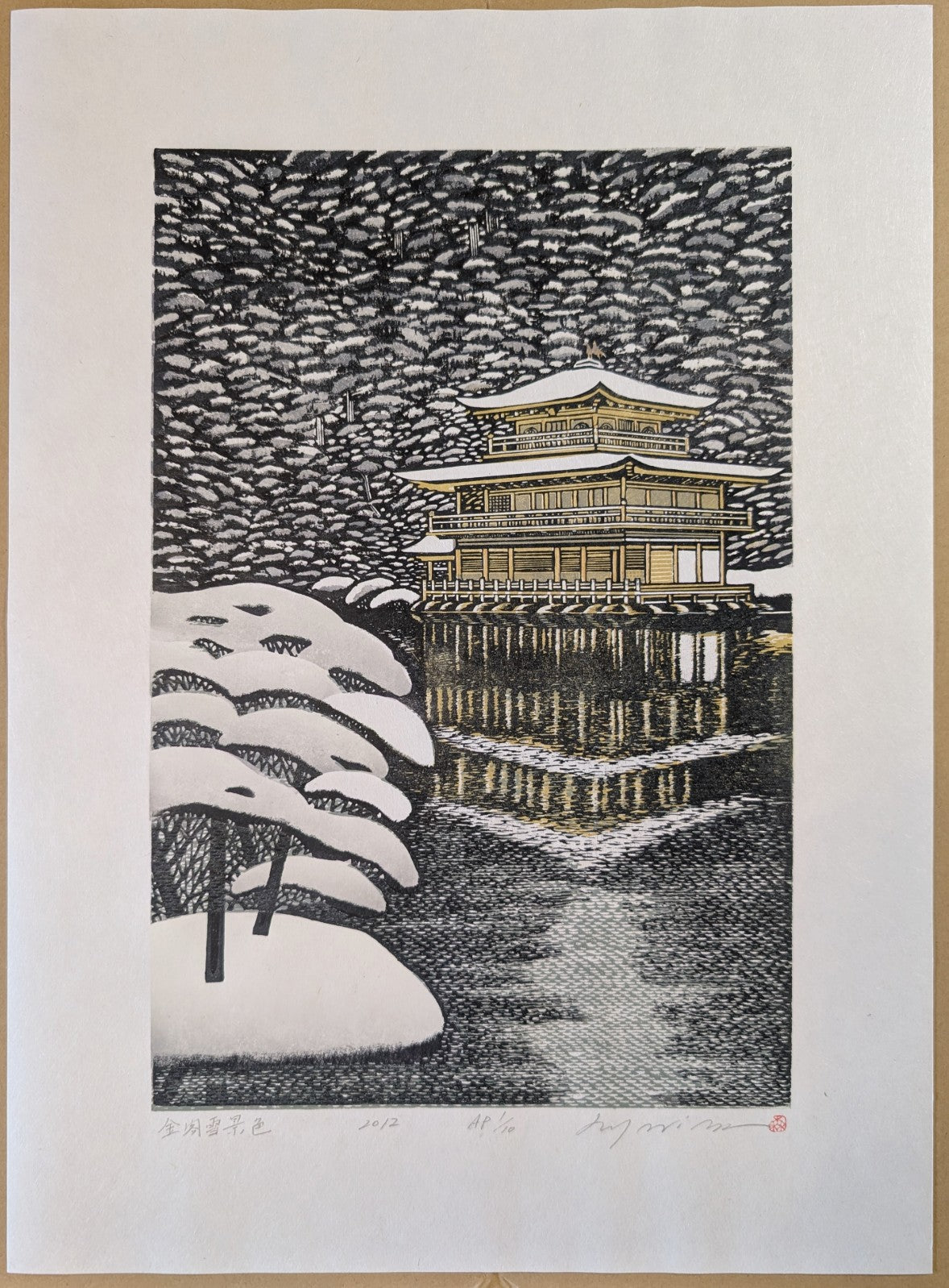
Morimura’s landscapes are built from places he has visited and retained in memory. Temples, gardens, old streets, trees, water, and seasonal change are reduced into flattened forms, repeated pattern, and carefully organised fields of colour. Yet his aim reaches beyond design. Drawing on the contemplative spirit of Zen and traditional ink painting (水墨画, suibokuga), Morimura uses landscape to explore a form of spirituality rooted in contemporary life. His prints do not simply describe a place; they reflect the feeling that remains after it has been seen.
Working across woodblock and linocut, Morimura prints with oil-based inks onto kōzo washi, combining modern relief techniques with the material qualities of Japanese paper. He has exhibited widely in Japan and overseas, and in 2014 created a four-season series based on the Portland Japanese Garden. His work is held in major public collections, including the Ashmolean Museum in Oxford, the Museum of Fine Arts, Houston, and the Allen Memorial Art Museum at Oberlin College. Today, Morimura is recognised for transforming familiar Japanese landscapes into highly personal works of pattern, memory, and quiet reflection.